
AI Overview: A Look at Google’s Evolving AI-Powered Search Feature
When Google first rolled out AI Overviews in the US in May 2024, the SEO world braced for impact. Two years on, the feature has expanded dramatically — and the data now tells a clearer story about what it means for businesses and website owners.
This article takes an updated look at where AI Overviews stands today, what's changed, and what you should be doing about it.
What is Google Gemini?
This is Google’s current AI interface formerly known as Google Bard. The platform provides user access to Large Language Models (LLMs), which helps users in exciting new ways as you’ll discover below. Gemini links with Google’s top-tier search systems and swiftly provides people with concise and accurate data related to a particular search query.
AI Overview
The original release of AI Overviews in the US allowed users to opt in. That has since changed — users now have no option but to experience AI Overviews if their search query triggers it (not all queries will).
So, what is AI Overviews exactly?
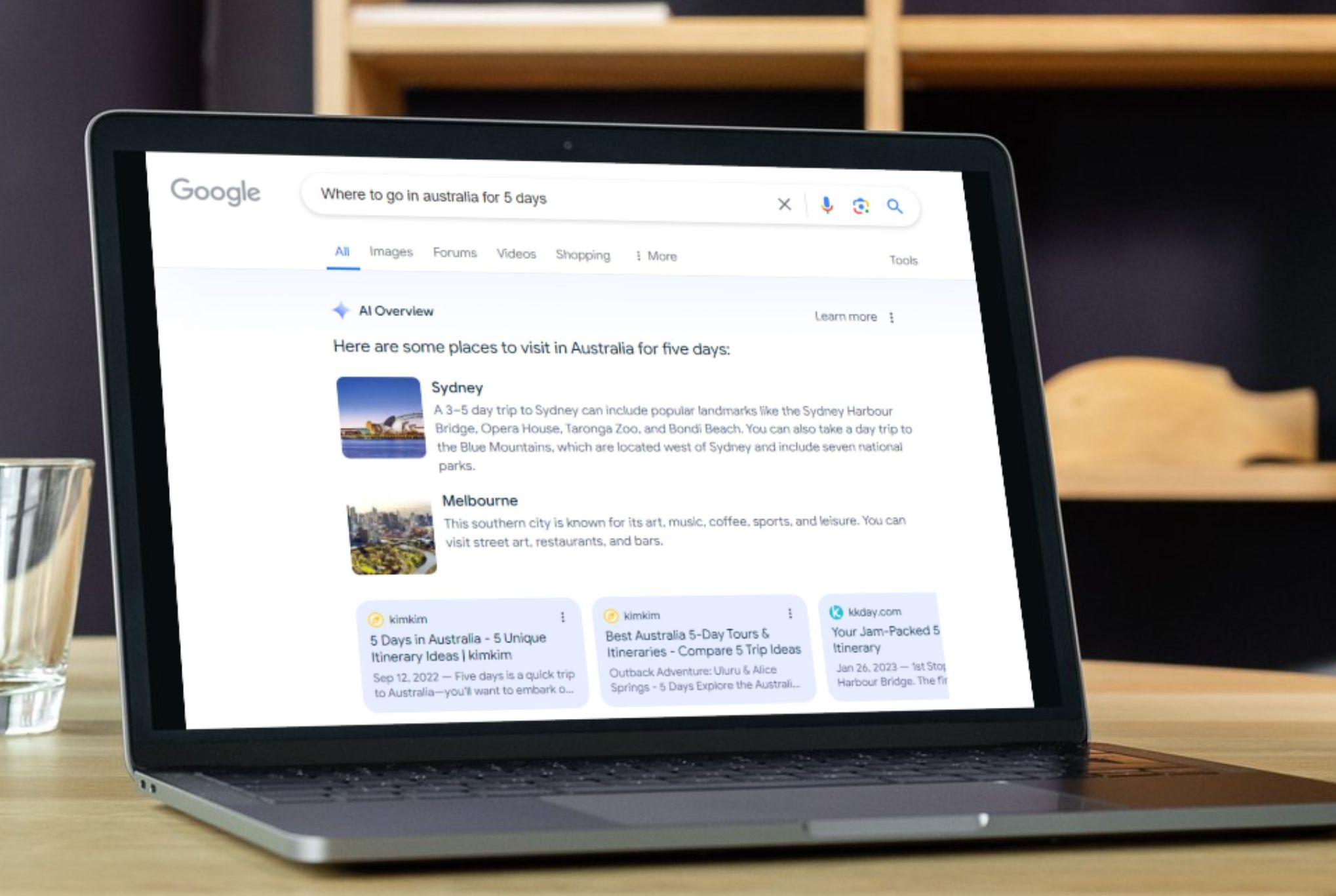
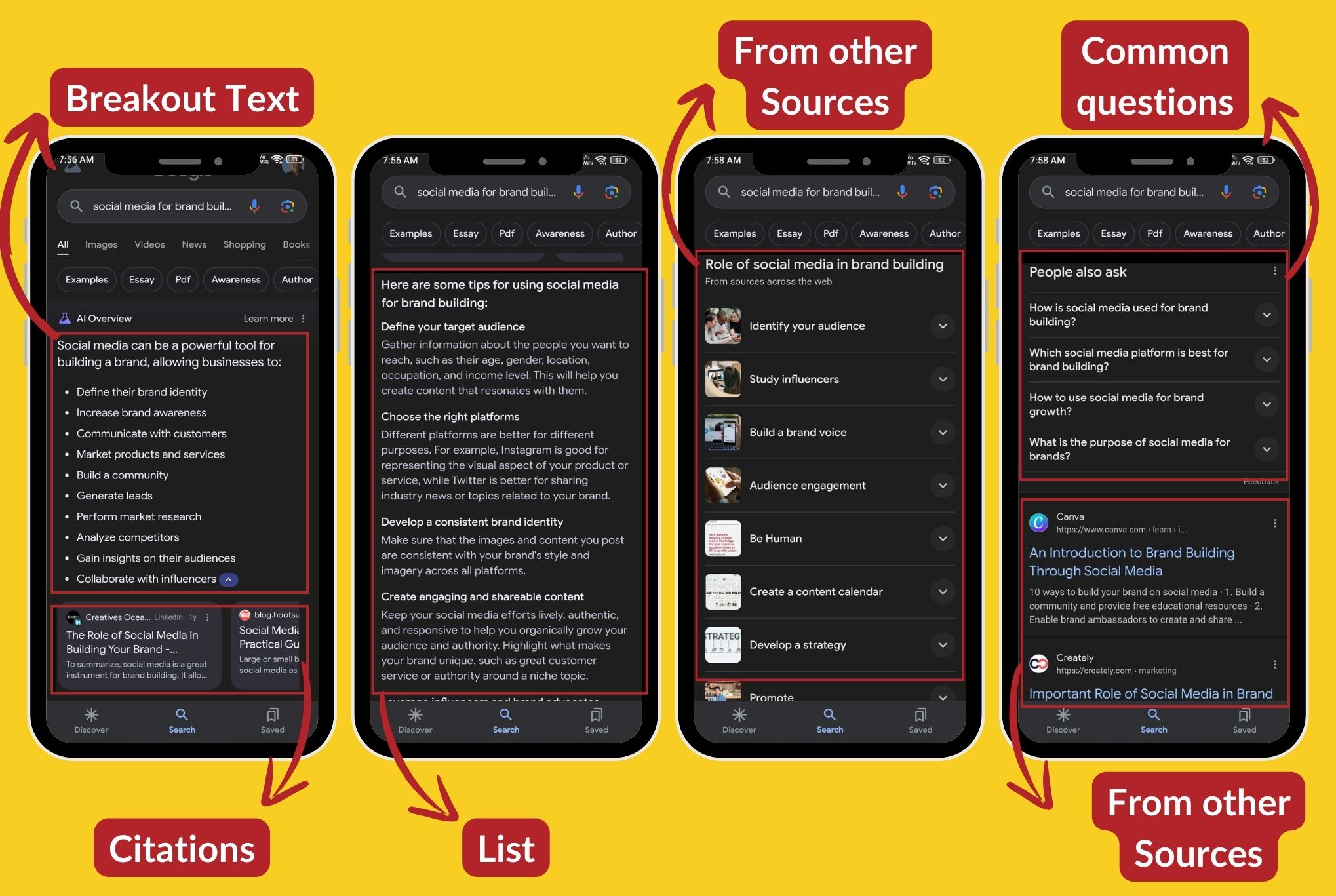
It’s where Google’s AI bot scrapes relevant information from various sources around the web and presents the user with a summary of their search query. This summary appears at the top of the search results and, if it happens to provide all the answers the searcher is looking for, they won’t even have to click on a web link to learn more.
What's changed significantly is the scale. AI Overviews now reach 1.5 billion users monthly across more than 200 countries and territories. And rather than hiding its sources, the average number of links cited inside an AI Overview grew from 6.82 in November 2024 to 15.22 by February 2026 — more than doubling in just over a year.
One thing that hasn't changed: if a query does generate an AI Overviews summary, users can still opt to see a search page filled with relevant web links below it.
What is AI Mode?
Beyond AI Overviews, Google has introduced something bigger: AI Mode. Google began rolling out AI Mode more broadly in the US from May 2025, shifting search from a click-first experience to an answer-first one, where users can ask follow-up questions and stay within a conversational search experience.
This is a significant evolution from the original Search Generative Experience. Rather than a summary at the top of a traditional results page, AI Mode essentially replaces the results page altogether for users who engage with it.
How Will Google AI Overviews Affect Website Traffic?
This is where the data gets confronting for businesses.
A large-scale September 2025 study found that organic click-through rates dropped 61% for queries that triggered AI Overviews — falling from 1.76% to just 0.61%. Paid CTR was hit even harder.
However, there is a silver lining: brands that are cited within AI Overviews earn 35% more organic clicks and 91% more paid clicks. Getting included in the AI summary — not just ranking beneath it — is fast becoming one of the most important SEO goals for 2026.
Informational, educational, how-to, and comparison-type queries are the most likely to trigger AI Overviews — the very content types that have traditionally driven blog and website traffic.
How Will Generative AI in Search Affect Businesses and Local SEO?
Google's aim with generative AI in search is to improve quality for the end user. However, AI Overviews powered by Gemini may not provide advantages for businesses that depend on search engine rankings and traffic. AI Overviews consume a lot of screen real estate, blocking out the traditional blue links that lead to click-throughs — potentially resulting in a decline in traffic from Google.
As for local SEO, the picture has shifted since 2024. As of April 2025, AI Overviews appeared in over 40% of queries related to local businesses — a significant increase from when the feature first launched. That said, AI Overviews still only show on around 7% of purely local queries, meaning traditional local SEO fundamentals remain critical.
When AI Overviews do appear for local-intent queries, they typically pull from Google Business Profile data and local content sources — which means keeping your GBP accurate and up to date is more important than ever. Information regarding local businesses still comes from the usual sources: directories, citation sites, Google Business Profiles, and reviews.
What Should You Do About It?
The strategies that worked in 2022 are not enough in 2026. Here's what matters now:
- Write to be cited, not just ranked. Use clear, direct, factual paragraphs that are easy for AI to extract and summarise.
- Build entity authority. Consistent brand names, author bios, schema markup, and internal linking all signal trustworthiness to Google's AI.
- Keep your Google Business Profile current. This remains the primary data source for local AI results.
- Track AI visibility, not just rankings. A page can rank well with almost no clicks if an AI Overview is answering the query above it.
- Don't neglect reviews. Google's AI increasingly weighs review quality and volume when selecting businesses to surface in local summaries.
We’ll help you optimise your site for Google’s latest releases
Commonsense Marketing is committed to helping local businesses reach page one on Google and stay there. Whenever Google rolls out an update or a new release like Gemini, we adapt our SEO strategy to ensure your website continues to rank in search results for your most important keywords. Contact us today for a free SEO audit and SEO plan for your business
